By using this site, you agree to the Privacy Policy and Terms of Use.
Accept
GEOPOLISTGEOPOLISTGEOPOLIST
  • Home
  • Geopolitics
    Geopolitics
    Discover professional insights into international relations, regional conflicts, and global power dynamics by visiting Geopolist. Keep up on the ways in which these changes impact…
    Show More
    Top News
    Turkey vs. Israel in a Hypothetical War: The Myths and the Realities
    August 6, 2025
    Operation Spiderweb: The Death of Strategic Depth in the Drone Age
    August 6, 2025
    The End of Vertical War: Operation Spiderweb and the Rise of Horizontal War-Making
    August 6, 2025
    Latest News
    Yemen Could Become the First Test of the Turkey–Pakistan–Saudi Defense Pact
    September 11, 2026
    Too Useful Against Iran to Disarm? The PJAK Exception
    September 11, 2026
    Netanyahu’s Perfect Assist from Abu al-Duhur: How Erdoğan Can Score on Kurdish Peace and National Discontent
    August 22, 2026
    Erdoğan Arms Ukraine as Putin Complicates Turkey’s F-35 Comeback
    August 16, 2026
  • Security
    SecurityShow More
    Too Useful Against Iran to Disarm? The PJAK Exception
    August 28, 2026
    Blocked by Politics, Turkish Defence Firms Enter Europe Through Industry
    May 21, 2026
    Broad Buy-In, Rival Readings, Future Risks: SDF and Damascus Clash Over Integration Terms
    January 31, 2026
    Jeffrey’s Autonomy Model for Syria Matches NAT’s Earlier Proposal
    January 26, 2026
    Strategic and Ideological Missteps of Syria’s SDF
    January 24, 2026
  • Commentary
    CommentaryShow More
    Yemen Could Become the First Test of the Turkey–Pakistan–Saudi Defense Pact
    September 11, 2026
    Too Useful Against Iran to Disarm? The PJAK Exception
    August 28, 2026
    Netanyahu’s Perfect Assist from Abu al-Duhur: How Erdoğan Can Score on Kurdish Peace and National Discontent
    August 21, 2026
    Erdoğan Arms Ukraine as Putin Complicates Turkey’s F-35 Comeback
    August 16, 2026
    Spitting on the Cross: The Rise of Anti-Christian Hostility in Israel
    August 11, 2026
  • Economy
    • Energy
  • Regions
    • Europe
    • Middle East & Africa
    • Eurasia
  • Risk Advisory
  • Jobs
    • Jobs
    • Post a Job
  • Register
  • My Bookmarks
Reading: Trump’s Geopolitical Shift: Risks and Opportunities for China
Share
Notification Show More
Font ResizerAa
GEOPOLISTGEOPOLIST
Font ResizerAa
  • Home
  • Geopolitics
  • Security
  • Commentary
  • Economy
  • Regions
  • Risk Advisory
  • Jobs
  • Register
  • My Bookmarks
  • Home
  • Geopolitics
  • Security
  • Commentary
  • Economy
    • Energy
  • Regions
    • Europe
    • Middle East & Africa
    • Eurasia
  • Risk Advisory
  • Jobs
    • Jobs
    • Post a Job
  • Register
  • My Bookmarks
Have an existing account? Sign In
Follow US
  • Advertise
© 2022 Foxiz News Network. Ruby Design Company. All Rights Reserved.
GEOPOLIST > Blog > Regions > Southeast Asia > Trump’s Geopolitical Shift: Risks and Opportunities for China
CommentaryGeopoliticsSoutheast Asia

Trump’s Geopolitical Shift: Risks and Opportunities for China

Last updated: August 9, 2025 3:45 am
By GEOPOLIST | Istanbul Center for Geopolitics Published March 2, 2025 1.5k Views 4 Min Read
Share
SHARE

Summary by Geopolist | Istanbul Center for Geopolitics:

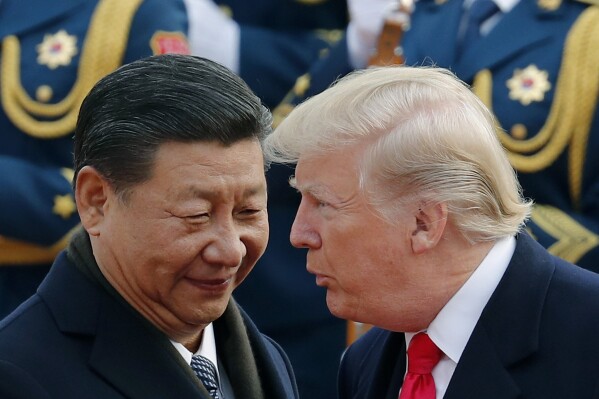
Donald Trump’s recent geopolitical realignment, which has drawn the United States closer to China and Russia while distancing it from European allies, has created both opportunities and risks for Chinese President Xi Jinping. A key indicator of this shift was a U.S.-led UN Security Council resolution, supported by both Russia and China, that called for an end to the war in Ukraine without assigning blame to Moscow. In contrast, France and the UK abstained, reflecting a growing divergence between Washington and its traditional European partners.

Trump’s embrace of transactional diplomacy has led analysts to speculate that he may be more willing to negotiate with China on trade, export controls, and even Taiwan. However, Chinese officials remain cautious, suspecting that Washington’s outreach to Moscow could be a strategic maneuver to weaken Beijing’s alliance with Russia. Some observers have likened this to a “reverse Nixon” strategy, where the U.S. could attempt to pull Russia away from China, mirroring Nixon’s Cold War-era engagement with China to counter the Soviet Union.

For Russia, warming ties with the U.S. could help reduce its reliance on China, particularly after Western sanctions severed many of its trade links with the European Union. While Russia’s trade with China reached a record $245 billion last year, it still falls short of its pre-war trade volume with the EU. Analysts suggest that diversifying economic ties would be in Moscow’s interest, but deep-rooted strategic cooperation between Xi and Putin makes a significant rupture unlikely.

Despite speculation about shifting alliances, Xi reaffirmed China’s strong ties with Russia in a recent call with Putin, emphasizing their “true friendship” and commitment to shared strategic interests. Chinese scholars recognize that any agreement with Trump could be reversed by a future U.S. administration, adding to the uncertainty of Beijing’s long-term foreign policy calculations.

Trump’s realignment has also raised concerns about U.S. commitments to its allies, particularly Taiwan. Some analysts argue that Xi could interpret the U.S. decision to negotiate directly with Russia over Ukraine—without Ukrainian involvement—as a precedent for similar talks over Taiwan. While Beijing may welcome concessions from Trump, Xi’s primary focus in any negotiations would likely be on easing U.S. economic measures against China.

Amid Trump’s growing rift with European leaders, China sees an opportunity to improve its own standing in Europe. Some experts believe Beijing could exploit tensions within the transatlantic alliance to strengthen economic and diplomatic ties with the continent. In this context, some have suggested that Xi might attempt to outmaneuver Putin by securing a high-profile meeting with Trump before the Russian leader does.

Ultimately, while Trump’s pivot away from Europe has created new diplomatic openings for China, it also introduces volatility. Beijing must navigate the uncertainty of U.S. foreign policy while balancing its strategic partnership with Russia, its economic interests in Europe, and its long-term rivalry with Washington.

Read more here.

You Might Also Like

Yemen Could Become the First Test of the Turkey–Pakistan–Saudi Defense Pact

Too Useful Against Iran to Disarm? The PJAK Exception

Netanyahu’s Perfect Assist from Abu al-Duhur: How Erdoğan Can Score on Kurdish Peace and National Discontent

Erdoğan Arms Ukraine as Putin Complicates Turkey’s F-35 Comeback

Spitting on the Cross: The Rise of Anti-Christian Hostility in Israel

Share This Article
Facebook Twitter Email Print
Previous Article IAEA Raises Fresh Alarm on Global Nuclear Security Amid Rise in Radioactive Incidents
Next Article The Myth of Russia’s Strength: Why the Threat to the West is Overstated
Leave a comment

Leave a Reply Cancel reply

Your email address will not be published. Required fields are marked *

Stay Connected

TwitterFollow
YoutubeSubscribe

Latest News

From C5 to C6: Turkey’s Geopolitical Reach Expands Toward China’s Western Frontier
Commentary Economy Energy Eurasia Geopolitics
Turkey, Saudi Arabia and Pakistan Sign Landmark Mutual Defence Pact in Mecca
Eurasia Geopolitics Middle East & Africa
As Israel Becomes a Liability, Turkey Becomes Indispensable: Baniyas Marks the Latest Shift
Commentary Energy Geopolitics Middle East & Africa
Rethinking GCC Security Architecture After the U.S.–Israel–Iran War
Commentary Geopolitics Middle East & Africa

Find Us on Socials

© 2026 Geopolist | Istanbul Center for Geopolitics. All Rights Reserved.
  • Submit an Op-Ed + Risk Advisory & Job Posting
  • Jobs
  • Post Jobs & Ads for Free
Welcome Back!

Sign in to your account

Register Lost your password?