By using this site, you agree to the Privacy Policy and Terms of Use.
Accept
GEOPOLISTGEOPOLISTGEOPOLIST
  • Home
  • Geopolitics
    Geopolitics
    Discover professional insights into international relations, regional conflicts, and global power dynamics by visiting Geopolist. Keep up on the ways in which these changes impact…
    Show More
    Top News
    Operation Spiderweb: The Death of Strategic Depth in the Drone Age
    August 6, 2025
    The End of Vertical War: Operation Spiderweb and the Rise of Horizontal War-Making
    August 6, 2025
    Turkey vs. Israel in a Hypothetical War: The Myths and the Realities
    August 6, 2025
    Latest News
    Yemen Could Become the First Test of the Turkey–Pakistan–Saudi Defense Pact
    September 11, 2026
    Too Useful Against Iran to Disarm? The PJAK Exception
    September 11, 2026
    Netanyahu’s Perfect Assist from Abu al-Duhur: How Erdoğan Can Score on Kurdish Peace and National Discontent
    August 22, 2026
    Erdoğan Arms Ukraine as Putin Complicates Turkey’s F-35 Comeback
    August 16, 2026
  • Security
    SecurityShow More
    Too Useful Against Iran to Disarm? The PJAK Exception
    August 28, 2026
    Blocked by Politics, Turkish Defence Firms Enter Europe Through Industry
    May 21, 2026
    Broad Buy-In, Rival Readings, Future Risks: SDF and Damascus Clash Over Integration Terms
    January 31, 2026
    Jeffrey’s Autonomy Model for Syria Matches NAT’s Earlier Proposal
    January 26, 2026
    Strategic and Ideological Missteps of Syria’s SDF
    January 24, 2026
  • Commentary
    CommentaryShow More
    Yemen Could Become the First Test of the Turkey–Pakistan–Saudi Defense Pact
    September 11, 2026
    Too Useful Against Iran to Disarm? The PJAK Exception
    August 28, 2026
    Netanyahu’s Perfect Assist from Abu al-Duhur: How Erdoğan Can Score on Kurdish Peace and National Discontent
    August 21, 2026
    Erdoğan Arms Ukraine as Putin Complicates Turkey’s F-35 Comeback
    August 16, 2026
    Spitting on the Cross: The Rise of Anti-Christian Hostility in Israel
    August 11, 2026
  • Economy
    • Energy
  • Regions
    • Europe
    • Middle East & Africa
    • Eurasia
  • Risk Advisory
  • Jobs
    • Jobs
    • Post a Job
  • Register
  • My Bookmarks
Reading: Latin America’s Divergence from the OAS on the Israel-Hamas Conflict
Share
Notification Show More
Font ResizerAa
GEOPOLISTGEOPOLIST
Font ResizerAa
  • Home
  • Geopolitics
  • Security
  • Commentary
  • Economy
  • Regions
  • Risk Advisory
  • Jobs
  • Register
  • My Bookmarks
  • Home
  • Geopolitics
  • Security
  • Commentary
  • Economy
    • Energy
  • Regions
    • Europe
    • Middle East & Africa
    • Eurasia
  • Risk Advisory
  • Jobs
    • Jobs
    • Post a Job
  • Register
  • My Bookmarks
Have an existing account? Sign In
Follow US
  • Advertise
© 2022 Foxiz News Network. Ruby Design Company. All Rights Reserved.
GEOPOLIST > Blog > Regions > Americas > Latin America’s Divergence from the OAS on the Israel-Hamas Conflict
AmericasCommentaryGeopolitics

Latin America’s Divergence from the OAS on the Israel-Hamas Conflict

Last updated: September 15, 2024 5:29 pm
By GEOPOLIST | Istanbul Center for Geopolitics Published September 15, 2024 1.1k Views 5 Min Read
Share
SHARE


Summary by Geopolist | Istanbul Center for Geopolitics

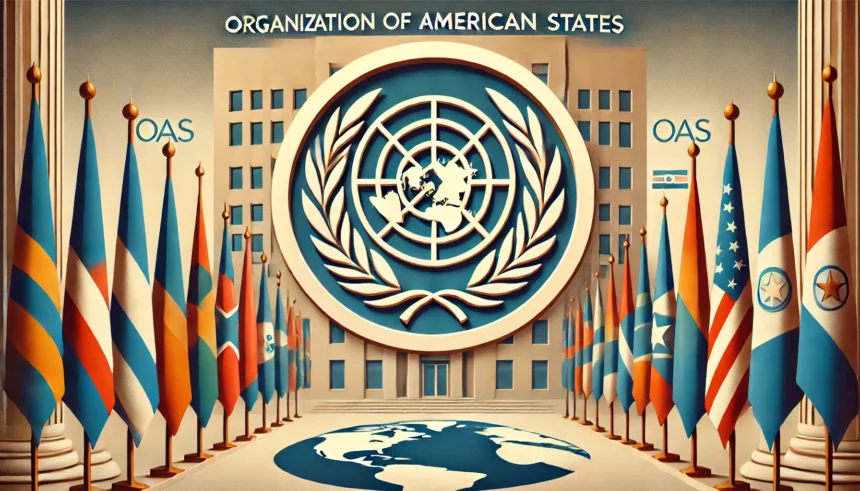
In the article, it is noted that there is a growing divide between the Organization of American States (OAS) and a number of countries that are located in Latin America and the Caribbean. Regarding the battle that is taking place in Gaza between Israel and Hamas, this split has arisen. In spite of the fact that countries in the region, such as Colombia, have expressed their disapproval of Israel’s military activities and taken concrete actions, such as recalling ambassadors and freezing commerce, the Organization of American States (OAS) has continued to demonstrate its support for Israel under the leadership of Secretary-General Luis Almagro. Both of these actions have been taken. The stance that Almagro has taken has been the subject of discussion, particularly because he has not addressed the problem of Palestinian civilian casualties or the humanitarian crisis that is occurring in Gaza. This stands in stark contrast to the requests that the United Nations has made for a ceasefire and for the protection of human rights, respectively.

As a result of the fact that it takes a pro-Israel posture, the Organization of American States (OAS) has been subjected to criticism for not agreeing with the overall attitude of the states that are members of the organization. The United States of America, which is Israel’s primary ally, has historically had a large amount of influence on the Organization of American States (OAS). This influence has been viewed as an extension of the United States’ foreign policy goals in the Western Hemisphere. The fact that the organization has connections to politicians and lobbying groups on the far right has played a significant role in amplifying the impact of this effect. The administration of Almagro has seen an increase in the level of involvement with right-wing organizations, such as the extreme right-wing Vox party in Spain, on the one hand, and individuals, such as Javier Milei, the President of Argentina, on the other. One of the measures that the Organization of American States (OAS) has put into effect is the utilization of the definition of antisemitism that is offered by the International Holocaust Remembrance Alliance (IHRA). A number of individuals are of the opinion that this word prevents legitimate criticism of Israel’s behavior.

As a result of the widening gulf that exists between the Organization of American States and its member nations, countries are seeking for new regional forums to participate in. The provision of platforms for such sentiments has made it possible for states to express their support for Palestinian rights and to push for a ceasefire in Gaza. This has been made possible by international organizations such as the Community of Latin American and Caribbean States (CELAC) and Mercosur. Additionally, out of the thirty-five countries that make up the Americas, thirty-two of them have officially acknowledged the state of Palestine. This signifies a shift away from the path that the Organization of American States is now following. Several states in Latin America and the Caribbean have stated a desire to impose a more independent foreign policy that is separate from the influence of the United States, and this movement reflects that desire.

It has also been likened to the contentious past of the Organization of American States (OAS), such as its backing for dictatorships that were supported by the United States during the Cold War. Almagro’s attitude has been contrasted to this contentious past. The Organization of American States (OAS) has been accused of failing to appropriately represent the perspectives of its member states in the dispute between Israel and Palestine. This is one of the charges that has been directed against the OAS. Consequently, concerns have been raised about the organization’s integrity and relevance in terms of advancing democratic ideals and human rights in the region. These concerns have been expressed as a result of this scenario. If it continues to disregard the perspectives of its member nations regarding the situation in Gaza in relation to the conflict, the Organization of American States (OAS) stands the risk of increased marginalization and may lose its reputation as a viable multilateral entity in the Western Hemisphere. This happens if the OAS continues to reject the opinions of its member nations.

Read the full article here

You Might Also Like

Yemen Could Become the First Test of the Turkey–Pakistan–Saudi Defense Pact

Too Useful Against Iran to Disarm? The PJAK Exception

Netanyahu’s Perfect Assist from Abu al-Duhur: How Erdoğan Can Score on Kurdish Peace and National Discontent

Erdoğan Arms Ukraine as Putin Complicates Turkey’s F-35 Comeback

Spitting on the Cross: The Rise of Anti-Christian Hostility in Israel

Share This Article
Facebook Twitter Email Print
Previous Article Modern Anti-Colonialism: How Authoritarian Regimes Exploit Historic Grievances for Geopolitical Gain
Next Article Countering China’s Influence: Europe’s Geopolitical and Economic Challenge
Leave a comment

Leave a Reply Cancel reply

Your email address will not be published. Required fields are marked *

Stay Connected

TwitterFollow
YoutubeSubscribe

Latest News

From C5 to C6: Turkey’s Geopolitical Reach Expands Toward China’s Western Frontier
Commentary Economy Energy Eurasia Geopolitics
Turkey, Saudi Arabia and Pakistan Sign Landmark Mutual Defence Pact in Mecca
Eurasia Geopolitics Middle East & Africa
As Israel Becomes a Liability, Turkey Becomes Indispensable: Baniyas Marks the Latest Shift
Commentary Energy Geopolitics Middle East & Africa
Rethinking GCC Security Architecture After the U.S.–Israel–Iran War
Commentary Geopolitics Middle East & Africa

Find Us on Socials

© 2026 Geopolist | Istanbul Center for Geopolitics. All Rights Reserved.
  • Submit an Op-Ed + Risk Advisory & Job Posting
  • Jobs
  • Post Jobs & Ads for Free
Welcome Back!

Sign in to your account

Register Lost your password?