Summary by Geopolist | Istanbul Center for Geopolitics:
The recent buyouts of Chinese pharmaceutical companies by global pharmaceutical giants have raised concerns about national security in China. These acquisitions make people worry about foreign control over vital healthcare and biotechnology sectors, which are seen as crucial for national interests.
The Chinese government is particularly concerned about potential data leaks and the influence foreign companies could have over the domestic market. This situation is made worse by the growing geopolitical tensions and China’s efforts to become more self-sufficient in strategic industries, including pharmaceuticals.
The trend of international acquisitions in China’s pharmaceutical sector has coincided with a significant increase in the country’s overall economic and technological capabilities. However, Chinese policymakers are increasingly concerned that these moves could compromise national security, particularly in areas involving sensitive medical data and biotechnology.
Read more below.
Buyout of China’s drug companies by global pharma giants sparks national security fears
John Cai, chairman of China Healthcare Innovation Platform Academy, a healthcare think tank in Shanghai, said: “When national conflicts occur and drugs are sanctioned as strategic products, it will affect the health of a country’s population.
“Considering that China’s biopharmaceutical and broader healthcare industry are now facing international competition and restrictions, Beijing should act with a sense of urgency.”
He also said that research and development is a long process and if innovative products are sold as soon as they are developed, it will be difficult for China to cultivate world-class pharmaceutical companies.
But Wang Haoran, chief executive of biosciences company Neoland, said selling up to pharmaceutical giants is a common practice among smaller companies around the world.
“Drug research and development is very cash intensive and involves a long industrial chain, it’s hard for a small company to sustain the whole life cycle just by raising venture capital,” he said.
Ding Sheng, a professor at Tsinghua University’s School of Pharmaceutical Sciences and head of the non-profit research organisation Global Health Drug Discovery Institute in Beijing, said: “The ability to initiate and lead the development of revolutionary, first-in-class medicines is a crucial component of national strength and security.
“A great country should also have a responsibility to take on the most challenging tasks,” adding that this also brings benefits such as opening up new opportunities and nurturing talent.
The first full takeover of a Chinese biotech firm by a multinational drug maker was last year’s deal to sell Gracell Biotechnologies, a developer of cutting-edge cell therapies for cancer and autoimmune diseases, to AstraZeneca.
This was followed in January by Novartis’s acquisition of Shanghai-based SanReno Therapeutics, which specialises in developing therapies for kidney diseases.
Last month the US investment news platform StreetInsider reported that Legend Biotech, which has made its name with a cutting-edge cell therapy, had received a takeover offer.
The FiercePharma website later reported that Johnson & Johnson and Novartis could be interested in the firm.
Founded in 2014 in Nanjing, Legend Biotech specialises in developing cell therapies for cancer patients, including Carvykti, a type of CAR-T therapy.
CAR-T is a type of immunotherapy that takes disease-fighting white blood cells called T-cells from a patient, re-engineers them and then infuses them back into the body.
Carvykti was approved by US and European regulators in 2022 and global sales revenues have risen to third place among all CAR-T therapies.
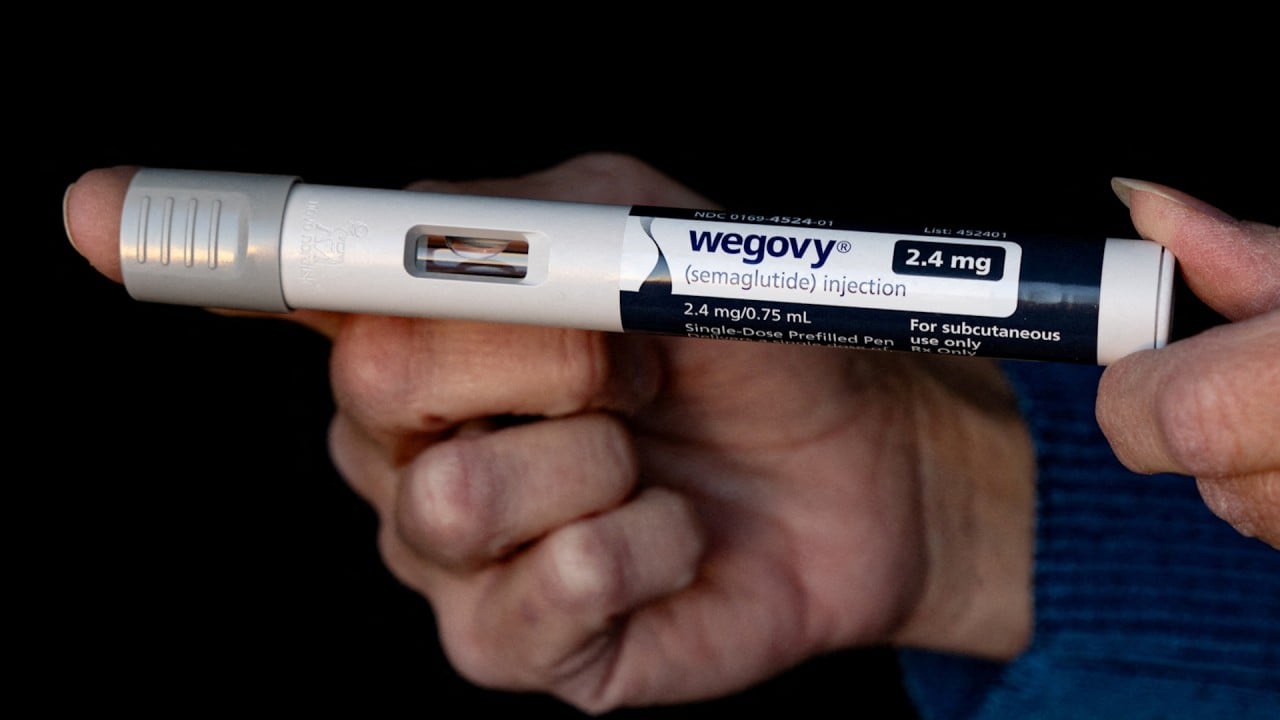
Last month, the Chinese healthcare research organisation Yiyao warned in an article published on its WeChat account that selling the company might raise the price of CAR-T therapies in the domestic market.
Domestically produced drugs are often cheaper in China than foreign ones as a result of factors such as intensifying market competition and a government-dominated pricing system that encourages companies to lower their prices.
But Ding said a key underlying issue is that under China’s current state-led pricing system, developing and investing in original medicines has become largely unprofitable for Chinese companies.
But he said the government could help by “providing support at various levels, including a more dynamic financial environment”.
In recent years, China has significantly increased its investment in pharmaceutical R&D from both the government and private sectors, but most observers warn the industry is finding it harder to raise capital now.
Ding said two or three years ago, scientists found it relatively easy, but since 2021, the sector has experienced a broad slowdown in venture capital activity and a decline in market confidence.
The reasons behind this downturn are complex. They include a more cautious investment sentiment and stricter rules on initial public offerings.
By: Dannie Peng
Source: South China Morning Post