By using this site, you agree to the Privacy Policy and Terms of Use.
Accept
GEOPOLISTGEOPOLISTGEOPOLIST
  • Home
  • Geopolitics
    Geopolitics
    Discover professional insights into international relations, regional conflicts, and global power dynamics by visiting Geopolist. Keep up on the ways in which these changes impact…
    Show More
    Top News
    Operation Spiderweb: The Death of Strategic Depth in the Drone Age
    August 6, 2025
    The End of Vertical War: Operation Spiderweb and the Rise of Horizontal War-Making
    August 6, 2025
    Turkey vs. Israel in a Hypothetical War: The Myths and the Realities
    August 6, 2025
    Latest News
    Yemen Could Become the First Test of the Turkey–Pakistan–Saudi Defense Pact
    September 11, 2026
    Too Useful Against Iran to Disarm? The PJAK Exception
    September 11, 2026
    Netanyahu’s Perfect Assist from Abu al-Duhur: How Erdoğan Can Score on Kurdish Peace and National Discontent
    August 22, 2026
    Erdoğan Arms Ukraine as Putin Complicates Turkey’s F-35 Comeback
    August 16, 2026
  • Security
    SecurityShow More
    Too Useful Against Iran to Disarm? The PJAK Exception
    August 28, 2026
    Blocked by Politics, Turkish Defence Firms Enter Europe Through Industry
    May 21, 2026
    Broad Buy-In, Rival Readings, Future Risks: SDF and Damascus Clash Over Integration Terms
    January 31, 2026
    Jeffrey’s Autonomy Model for Syria Matches NAT’s Earlier Proposal
    January 26, 2026
    Strategic and Ideological Missteps of Syria’s SDF
    January 24, 2026
  • Commentary
    CommentaryShow More
    Yemen Could Become the First Test of the Turkey–Pakistan–Saudi Defense Pact
    September 11, 2026
    Too Useful Against Iran to Disarm? The PJAK Exception
    August 28, 2026
    Netanyahu’s Perfect Assist from Abu al-Duhur: How Erdoğan Can Score on Kurdish Peace and National Discontent
    August 21, 2026
    Erdoğan Arms Ukraine as Putin Complicates Turkey’s F-35 Comeback
    August 16, 2026
    Spitting on the Cross: The Rise of Anti-Christian Hostility in Israel
    August 11, 2026
  • Economy
    • Energy
  • Regions
    • Europe
    • Middle East & Africa
    • Eurasia
  • Risk Advisory
  • Jobs
    • Jobs
    • Post a Job
  • Register
  • My Bookmarks
Reading: Integrating Somali Diaspora Aid: Enhancing Humanitarian Response in Crisis Regions
Share
Notification Show More
Font ResizerAa
GEOPOLISTGEOPOLIST
Font ResizerAa
  • Home
  • Geopolitics
  • Security
  • Commentary
  • Economy
  • Regions
  • Risk Advisory
  • Jobs
  • Register
  • My Bookmarks
  • Home
  • Geopolitics
  • Security
  • Commentary
  • Economy
    • Energy
  • Regions
    • Europe
    • Middle East & Africa
    • Eurasia
  • Risk Advisory
  • Jobs
    • Jobs
    • Post a Job
  • Register
  • My Bookmarks
Have an existing account? Sign In
Follow US
  • Advertise
© 2022 Foxiz News Network. Ruby Design Company. All Rights Reserved.
GEOPOLIST > Blog > Regions > Middle East & Africa > Integrating Somali Diaspora Aid: Enhancing Humanitarian Response in Crisis Regions
CommentaryGeopoliticsMiddle East & Africa

Integrating Somali Diaspora Aid: Enhancing Humanitarian Response in Crisis Regions

Last updated: August 19, 2024 3:01 pm
By GEOPOLIST | Istanbul Center for Geopolitics Published August 19, 2024 2.5k Views 4 Min Read
Share
SHARE

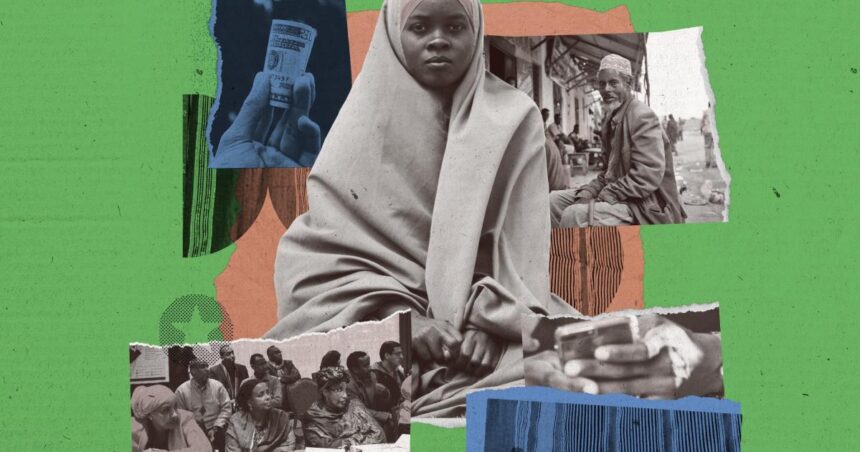
The Somali diaspora’s humanitarianism is a critical and indispensable element of African societies, as it effectively addresses crises that arise from poverty, violence, and natural disasters. Its enduring nature and emphasis on reciprocal aid and religious obligation set the system apart. This leads to a system that is adaptable, robust, and efficient. On the other hand, the relationship between the diaspora and international humanitarian systems is characterized by a lack of collaboration and a sense of suspicion. The overemphasis on the potential risks associated with financial transfers from the diaspora can hamper the success of diaspora humanitarian endeavours and impede their recognition and advancement.

To address crises and catastrophes in their homelands and other regions, the Somali diaspora’s actors, which include kinship associations, civil society organizations (CSOs), religious institutions, and businesses, cooperate closely with local partners. Family ties, societal obligations, and religious motivations are all important in the planning and execution of acts.

It is essential to acknowledge and promote diaspora humanitarianism, even when it deviates from the international framework on occasion. The estimated annual remittances sent by Somalis residing overseas range from 1.4 to 2 billion USD. These remittances are essential for providing significant assistance in areas such as food security, education, health, investments, and disasters. Diaspora players also gather financial resources for cooperative endeavours, encompassing development, infrastructure, and emergency assistance.

Diaspora humanitarianism and the international formal system differ significantly in their organization and operation. Elements such as the severity of the crisis, shared relatives, regional affiliation, or Somali identity determine the potential beneficiaries of diaspora humanitarian help. Demands usually dictate the precise choices within these categories. Diaspora actors often display a high level of dedication to the places they seek to support, showing strong social and moral engagement. Family relationships, societal duties, and religious incentives significantly influence their ability to organize and deliver aid.

Trust-based practices create a system of responsibility, frequently distributing funds to local entrepreneurs or religious figures based on their status and credibility. The Somali diaspora humanitarian actors emphasize that their contributions are devoid of any overhead charges, as they directly bear the costs of logistics and administration. Both parties maintain the conviction that the individuals involved in the opposing system have a political aim and principles that guide their engagement.

However, there are also shared attributes between the formal and diaspora humanitarian networks. Both systems fail to adequately assist certain groups of recipients, either because they lack influential diasporas to advocate for their cause or because they live in distant areas that are difficult for formal humanitarian institutions to access. Moreover, both systems have a proclivity for reacting to catastrophes rather than implementing preventive measures, hence raising apprehensions regarding sustainability in the long run and the possible depletion of empathy when confronted with recurring, extended, and preventable crises.

The brief highlights the necessity of acknowledging and integrating diaspora aid with formal systems to better address crises, despite the existing distrust and regulatory hurdles.

Read more:DIIS_PB_Diaspora_aid_is_crucial-WEB

You Might Also Like

Yemen Could Become the First Test of the Turkey–Pakistan–Saudi Defense Pact

Too Useful Against Iran to Disarm? The PJAK Exception

Netanyahu’s Perfect Assist from Abu al-Duhur: How Erdoğan Can Score on Kurdish Peace and National Discontent

Erdoğan Arms Ukraine as Putin Complicates Turkey’s F-35 Comeback

Spitting on the Cross: The Rise of Anti-Christian Hostility in Israel

Share This Article
Facebook Twitter Email Print
Previous Article The Lingering Economic Consequences of Sri Lanka’s Civil War Militarized Capitalism and Land Occupation in Post-Civil War Sri Lanka: Challenges for Tamil Communities
Next Article What Harris Can Take From Obama’s Very First Convention Speech Revisiting Obama’s 2004 DNC Speech: Lessons for Kamala Harris and the Future of Democratic Patriotism
Leave a comment

Leave a Reply Cancel reply

Your email address will not be published. Required fields are marked *

Stay Connected

TwitterFollow
YoutubeSubscribe

Latest News

From C5 to C6: Turkey’s Geopolitical Reach Expands Toward China’s Western Frontier
Commentary Economy Energy Eurasia Geopolitics
Turkey, Saudi Arabia and Pakistan Sign Landmark Mutual Defence Pact in Mecca
Eurasia Geopolitics Middle East & Africa
As Israel Becomes a Liability, Turkey Becomes Indispensable: Baniyas Marks the Latest Shift
Commentary Energy Geopolitics Middle East & Africa
Rethinking GCC Security Architecture After the U.S.–Israel–Iran War
Commentary Geopolitics Middle East & Africa

Find Us on Socials

© 2026 Geopolist | Istanbul Center for Geopolitics. All Rights Reserved.
  • Submit an Op-Ed + Risk Advisory & Job Posting
  • Jobs
  • Post Jobs & Ads for Free
Welcome Back!

Sign in to your account

Register Lost your password?