By using this site, you agree to the Privacy Policy and Terms of Use.
Accept
Geopolist | Istanbul Center for GeopoliticsGeopolist | Istanbul Center for GeopoliticsGeopolist | Istanbul Center for Geopolitics
  • Home
  • Geopolitics
    Geopolitics
    Discover professional insights into international relations, regional conflicts, and global power dynamics by visiting Geopolist. Keep up on the ways in which these changes impact…
    Show More
    Top News
    Operation Spiderweb: The Death of Strategic Depth in the Drone Age
    August 6, 2025
    The End of Vertical War: Operation Spiderweb and the Rise of Horizontal War-Making
    August 6, 2025
    Seeking Protection: How the U.S. Asylum Process Works
    Seeking Protection: How the U.S. Asylum Process Works
    April 13, 2025
    Latest News
    Global Fault Lines: Weekly Developments Across Key Geopolitical Theaters (Dec 22–28, 2025)
    December 29, 2025
    Gaza, Not Ankara: The Real Motive Behind Israel’s Somaliland Recognition
    December 27, 2025
    Erdoğan’s Self-Inflicted Airpower Wounds: How Turkey Lost the Skies
    December 27, 2025
    Ahmed al-Ahmed: The Hero Islamophobes and Anti-Immigrant Voices Did Not Expect
    December 15, 2025
  • Security
    SecurityShow More
    Erdoğan’s Self-Inflicted Airpower Wounds: How Turkey Lost the Skies
    December 26, 2025
    Ahmed al-Ahmed: The Hero Islamophobes and Anti-Immigrant Voices Did Not Expect
    December 15, 2025
    Five Turkish defense firms enter SIPRI Top 100 with record $10.1 billion in 2024 sales
    December 1, 2025
    Turkey’s Kızılelma drone fires radar-guided missile in beyond-visual-range test
    December 1, 2025
    More Than Mischief: How a Weakened Moscow Seeks to Dismantle NATO from Within
    September 21, 2025
  • Commentary
    CommentaryShow More
    Gaza, Not Ankara: The Real Motive Behind Israel’s Somaliland Recognition
    December 27, 2025
    Erdoğan’s Self-Inflicted Airpower Wounds: How Turkey Lost the Skies
    December 26, 2025
    Ahmed al-Ahmed: The Hero Islamophobes and Anti-Immigrant Voices Did Not Expect
    December 15, 2025
    TUAF543: Accident at FL240—or a Message to Ankara?
    November 12, 2025
    More Than Mischief: How a Weakened Moscow Seeks to Dismantle NATO from Within
    September 21, 2025
  • Economy
    • Energy
  • Regions
    • Europe
    • Middle East & Africa
    • Eurasia
  • Risk Advisory
  • Jobs
    • Job Dashboard
    • Jobs
    • Post a Job
  • Register
  • My Bookmarks
Reading: Navigating the “Smaller, Greener, Smarter” BRI: Lessons from Cambodia’s Transformative Journey
Share
Notification Show More
Font ResizerAa
Geopolist | Istanbul Center for GeopoliticsGeopolist | Istanbul Center for Geopolitics
Font ResizerAa
  • Home
  • Geopolitics
  • Security
  • Commentary
  • Economy
  • Regions
  • Risk Advisory
  • Jobs
  • Register
  • My Bookmarks
  • Home
  • Geopolitics
  • Security
  • Commentary
  • Economy
    • Energy
  • Regions
    • Europe
    • Middle East & Africa
    • Eurasia
  • Risk Advisory
  • Jobs
    • Job Dashboard
    • Jobs
    • Post a Job
  • Register
  • My Bookmarks
Have an existing account? Sign In
Follow US
  • Advertise
© 2022 Foxiz News Network. Ruby Design Company. All Rights Reserved.
Geopolist | Istanbul Center for Geopolitics > Blog > Regions > Southeast Asia > Navigating the “Smaller, Greener, Smarter” BRI: Lessons from Cambodia’s Transformative Journey
CommentaryEconomyGeopoliticsSoutheast Asia

Navigating the “Smaller, Greener, Smarter” BRI: Lessons from Cambodia’s Transformative Journey

Last updated: August 9, 2025 3:46 am
By GEOPOLIST | Istanbul Center for Geopolitics Published February 7, 2025 528 Views 2 Min Read
Share
SHARE


Summary by Geopolist | Istanbul Center for Geopolitics:

China’s Belt and Road Initiative (BRI) is under growing scrutiny, leading Beijing to promise a “smaller, greener, and smarter” BRI 2.0. Cambodia’s experience illustrates both the benefits and pitfalls of this evolving strategy.

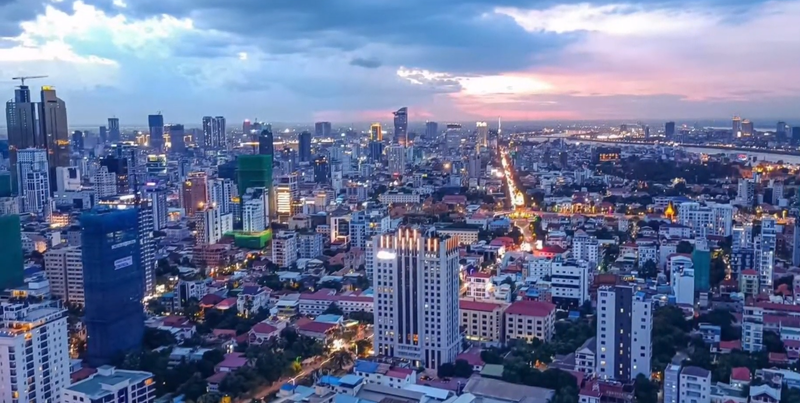
China’s early “Going Out” policy laid the groundwork by encouraging companies to invest abroad, which later merged into the BRI framework. In Cambodia, this influx of Chinese funding—totaling nearly $17.7 billion since 2000—catalyzed infrastructure development, including highways, bridges, and Special Economic Zones, and boosted foreign direct investment. However, weak local governance enabled some Chinese firms, including those falsely claiming BRI affiliations, to exploit loopholes, resulting in money laundering, human trafficking, and environmental harm.

The coastal city of Sihanoukville epitomizes these challenges: uncontrolled Chinese investments spurred rapid real estate and casino growth, but also brought organized crime and left hundreds of unfinished or abandoned construction projects. Meanwhile, large-scale endeavors like the Lower Sesan 2 hydropower dam, though expanding Cambodia’s energy capacity, displaced thousands of Indigenous people and threatened local ecosystems.

As Cambodia navigates BRI 2.0, it faces the task of balancing infrastructure gains with sustainability and inclusivity. The country’s ability to shape and regulate Chinese investment—not merely receive it—will determine whether the BRI ultimately supports long-term, responsible development. The lessons from Cambodia also underscore that, for BRI 2.0 to succeed, China must ensure its overseas investments address local needs, protect vulnerable communities, and operate under robust oversight.

Read more here.
You Might Also Like

Global Fault Lines: Weekly Developments Across Key Geopolitical Theaters (Dec 22–28, 2025)

Gaza, Not Ankara: The Real Motive Behind Israel’s Somaliland Recognition

Erdoğan’s Self-Inflicted Airpower Wounds: How Turkey Lost the Skies

Ahmed al-Ahmed: The Hero Islamophobes and Anti-Immigrant Voices Did Not Expect

Eight Muslim States Warn Israel Against ‘Exit-Only’ Rafah Plan

Share This Article
Facebook Twitter Email Print
Previous Article Turkey Successfully Tests Tayfun Ballistic Missile, Doubling Strike Range
Next Article Syria’s New Leadership Weighs the Future of Russian, US, and Turkish Military Presence
Leave a comment

Leave a Reply Cancel reply

Your email address will not be published. Required fields are marked *

Stay Connected

TwitterFollow
YoutubeSubscribe

Latest News

Five Turkish defense firms enter SIPRI Top 100 with record $10.1 billion in 2024 sales
Defence Technology Geopolitics
Turkey’s Kızılelma drone fires radar-guided missile in beyond-visual-range test
Defence Technology Geopolitics
TUAF543: Accident at FL240—or a Message to Ankara?
Commentary Eurasia Geopolitics
More Than Mischief: How a Weakened Moscow Seeks to Dismantle NATO from Within
Commentary Eurasia Europe Geopolitics War

Find Us on Socials

© GeoPolist. All Rights Reserved.
  • Submit an Op-Ed + Risk Advisory
  • Jobs
  • Post Jobs & Ads for Free
Welcome Back!

Sign in to your account

Register Lost your password?