By using this site, you agree to the Privacy Policy and Terms of Use.
Accept
Geopolist | Istanbul Center for GeopoliticsGeopolist | Istanbul Center for GeopoliticsGeopolist | Istanbul Center for Geopolitics
  • Home
  • Geopolitics
    Geopolitics
    Discover professional insights into international relations, regional conflicts, and global power dynamics by visiting Geopolist. Keep up on the ways in which these changes impact…
    Show More
    Top News
    Operation Spiderweb: The Death of Strategic Depth in the Drone Age
    August 6, 2025
    The End of Vertical War: Operation Spiderweb and the Rise of Horizontal War-Making
    August 6, 2025
    Congress: Allow Ukraine to strike more targets within Russia using US-supplied weapons.
    April 13, 2025
    Latest News
    Jeffrey’s Autonomy Model for Syria Matches NAT’s Earlier Proposal
    January 26, 2026
    Strategic and Ideological Missteps of Syria’s SDF
    January 24, 2026
    The Day After the SDF: Turkey’s Salafism Gamble—and Bilal Erdoğan’s Succession Pipeline
    January 22, 2026
    Salafi Consolidation: Is Iraq—and the KRG—Next After Syria and Yemen?
    January 19, 2026
  • Security
    SecurityShow More
    Erdoğan’s Self-Inflicted Airpower Wounds: How Turkey Lost the Skies
    December 26, 2025
    Ahmed al-Ahmed: The Hero Islamophobes and Anti-Immigrant Voices Did Not Expect
    December 15, 2025
    Five Turkish defense firms enter SIPRI Top 100 with record $10.1 billion in 2024 sales
    December 1, 2025
    Turkey’s Kızılelma drone fires radar-guided missile in beyond-visual-range test
    December 1, 2025
    More Than Mischief: How a Weakened Moscow Seeks to Dismantle NATO from Within
    September 21, 2025
  • Commentary
    CommentaryShow More
    Jeffrey’s Autonomy Model for Syria Matches NAT’s Earlier Proposal
    January 26, 2026
    Strategic and Ideological Missteps of Syria’s SDF
    January 24, 2026
    The Day After the SDF: Turkey’s Salafism Gamble—and Bilal Erdoğan’s Succession Pipeline
    January 22, 2026
    Salafi Consolidation: Is Iraq—and the KRG—Next After Syria and Yemen?
    January 19, 2026
    Great-Power Condominium or Great-Power Mirage?
    January 12, 2026
  • Economy
    • Energy
  • Regions
    • Europe
    • Middle East & Africa
    • Eurasia
  • Risk Advisory
  • Jobs
    • Job Dashboard
    • Jobs
    • Post a Job
  • Register
  • My Bookmarks
Reading: Beyond the Controversy: Why Cluster Munitions Are Key to Ukraine’s Defense
Share
Notification Show More
Font ResizerAa
Geopolist | Istanbul Center for GeopoliticsGeopolist | Istanbul Center for Geopolitics
Font ResizerAa
  • Home
  • Geopolitics
  • Security
  • Commentary
  • Economy
  • Regions
  • Risk Advisory
  • Jobs
  • Register
  • My Bookmarks
  • Home
  • Geopolitics
  • Security
  • Commentary
  • Economy
    • Energy
  • Regions
    • Europe
    • Middle East & Africa
    • Eurasia
  • Risk Advisory
  • Jobs
    • Job Dashboard
    • Jobs
    • Post a Job
  • Register
  • My Bookmarks
Have an existing account? Sign In
Follow US
  • Advertise
© 2022 Foxiz News Network. Ruby Design Company. All Rights Reserved.
Geopolist | Istanbul Center for Geopolitics > Blog > Regions > Eurasia > Beyond the Controversy: Why Cluster Munitions Are Key to Ukraine’s Defense
CommentaryEurasiaGeopoliticsWar

Beyond the Controversy: Why Cluster Munitions Are Key to Ukraine’s Defense

Last updated: October 6, 2024 3:44 pm
By GEOPOLIST | Istanbul Center for Geopolitics Published October 6, 2024 2.9k Views 5 Min Read
Share
SHARE

Summary and Additional Remarks by Geopolist | Istanbul Center for Geopolitics:

Contents
Timeline of Cluster Munitions Use:Effectiveness and Impact:Political Controversy and NATO’s Stance:Broader Implications for NATO:

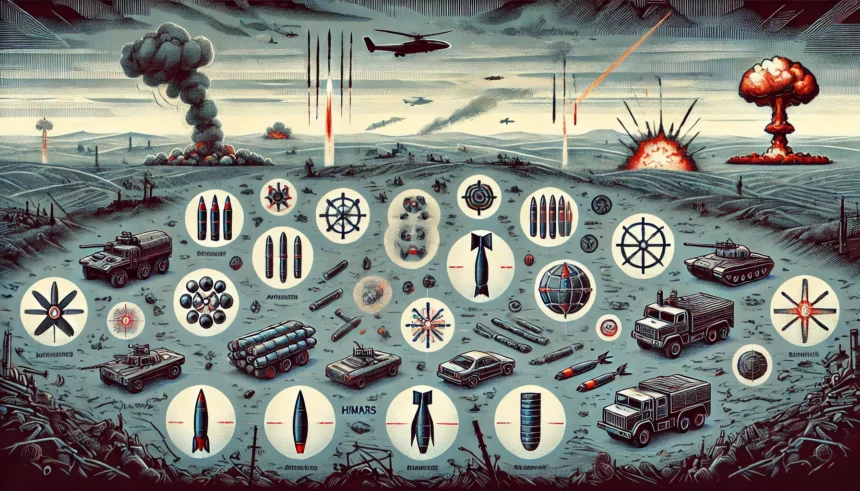
The article explores how Ukraine’s use of cluster munitions has evolved since the Russian invasion, beginning with limited supplies from Turkey and gradually incorporating U.S.-provided cluster rounds for artillery and HIMARS rockets. The recent approval of AGM-154 precision glide bombs completes Ukraine’s arsenal of cluster weapons, enabling strikes at various ranges—from artillery’s 20 km to aircraft-deployed bombs reaching 100 km. This multi-layered deployment has led to a dramatic increase in Russian casualties, especially in counter-battery operations, and has intensified the debate on NATO’s stance on cluster munitions.

Timeline of Cluster Munitions Use:

  1. Initial Restrictions: When Ukraine first received Western military support, it was limited to high-explosive (HE) artillery shells and rockets, which were less effective against Russian forces. Turkey’s decision to send 155mm Dual-Purpose Improved Conventional Munitions (DPICM) in late 2022 marked the first significant introduction of cluster munitions, enhancing Ukraine’s ability to target Russian troops and artillery.
  2. Turkey’s Early Impact: The initial batch of 3,500 DPICM rounds had a disproportionate impact, greatly increasing Russian casualties. This success prompted Turkey to increase the supply to 3,500 rounds per month. These weapons proved especially effective for counter-battery fire—allowing Ukrainian forces to more accurately strike and neutralize Russian artillery positions.
  3. Gradual U.S. Involvement: In July 2023, the United States began providing 155mm DPICM rounds, further boosting Ukraine’s capabilities. In October 2023, the U.S. expanded this support to include HIMARS cluster rockets and ATACMS missiles, which were instrumental in some of Ukraine’s most significant attacks. For example, the ATACMS strike on Russian airfields in Crimea destroyed 24 attack helicopters, marking one of Russia’s largest air losses since World War II.
  4. The Addition of Air-Delivered Cluster Munitions: The approval of AGM-154 precision cluster bombs for Ukraine’s air force completes the range of cluster munitions available. These 100km-range bombs can be launched from aircraft deep into Russian territory, significantly extending Ukraine’s strike capabilities. Each type of cluster munition—whether artillery, rocket, or air-delivered—serves a unique tactical purpose, allowing for layered defense and offense.

Effectiveness and Impact:

The effectiveness of cluster munitions is visible in Russia’s casualty rates, which surged to over 35,000 casualties per month starting in May 2024. Ukraine’s Ministry of Defense estimates over 150,000 Russian dead or wounded in the past five months alone, with over 1,400 artillery pieces destroyed monthly. The introduction of these munitions has shifted the battlefield dynamics, demonstrating their tactical value despite ongoing political concerns.

Political Controversy and NATO’s Stance:

The use of cluster munitions remains contentious due to the unexploded ordnance they leave behind, which poses risks to civilians long after conflicts end. The Cluster Munitions Convention (CMC), signed by several NATO members, prohibits the use of such weapons. The article argues that the success of these munitions in Ukraine should prompt NATO members to reconsider their stance. It specifically calls on countries like Norway to follow Lithuania’s example and withdraw from the CMC, arguing that effective deterrence against Russia requires embracing such capabilities.

Broader Implications for NATO:

General David Petraeus is quoted advocating for NATO to re-evaluate its policies, suggesting that the Ukraine conflict has shattered post-Cold War assumptions about the utility of cluster munitions. With the ongoing Russian invasion of Ukraine highlighting the effectiveness of these weapons, the article asserts that NATO should support their use to enhance defense and deterrence capabilities across Europe’s eastern flank.

The piece ultimately calls for a paradigm shift, urging Western powers to provide Ukraine with all available cluster munitions in large quantities, arguing that doing so is essential to achieving victory and deterring future conflicts.

Read more here.

You Might Also Like

Jeffrey’s Autonomy Model for Syria Matches NAT’s Earlier Proposal

Strategic and Ideological Missteps of Syria’s SDF

The Day After the SDF: Turkey’s Salafism Gamble—and Bilal Erdoğan’s Succession Pipeline

Salafi Consolidation: Is Iraq—and the KRG—Next After Syria and Yemen?

Great-Power Condominium or Great-Power Mirage?

Share This Article
Facebook Twitter Email Print
Previous Article The Fallout of Niger’s Coup: Rethinking Western Strategies in the Sahel
Next Article A Misguided Focus: Why ‘Near-Peer’ Threats Miss the Strategic Mark
Leave a comment

Leave a Reply Cancel reply

Your email address will not be published. Required fields are marked *

Stay Connected

TwitterFollow
YoutubeSubscribe

Latest News

This Week’s Global Fault Lines: Venezuela, Greenland, and the New Coercion (Jan 01–07, 2026)
Geopolitics
Global Fault Lines: Weekly Developments Across Key Geopolitical Theaters (Dec 22–28, 2025)
Geopolitics
Gaza, Not Ankara: The Real Motive Behind Israel’s Somaliland Recognition
Commentary Geopolitics Human Rights Middle East & Africa
Erdoğan’s Self-Inflicted Airpower Wounds: How Turkey Lost the Skies
Commentary Defence Technology Geopolitics Middle East & Africa

Find Us on Socials

© GeoPolist. All Rights Reserved.
  • Submit an Op-Ed + Risk Advisory
  • Jobs
  • Post Jobs & Ads for Free
Welcome Back!

Sign in to your account

Register Lost your password?