By using this site, you agree to the Privacy Policy and Terms of Use.
Accept
GEOPOLISTGEOPOLISTGEOPOLIST
  • Home
  • Geopolitics
    Geopolitics
    Discover professional insights into international relations, regional conflicts, and global power dynamics by visiting Geopolist. Keep up on the ways in which these changes impact…
    Show More
    Top News
    Operation Spiderweb: The Death of Strategic Depth in the Drone Age
    August 6, 2025
    The End of Vertical War: Operation Spiderweb and the Rise of Horizontal War-Making
    August 6, 2025
    Turkey vs. Israel in a Hypothetical War: The Myths and the Realities
    August 6, 2025
    Latest News
    Yemen Could Become the First Test of the Turkey–Pakistan–Saudi Defense Pact
    September 11, 2026
    Too Useful Against Iran to Disarm? The PJAK Exception
    September 11, 2026
    Netanyahu’s Perfect Assist from Abu al-Duhur: How Erdoğan Can Score on Kurdish Peace and National Discontent
    August 22, 2026
    Erdoğan Arms Ukraine as Putin Complicates Turkey’s F-35 Comeback
    August 16, 2026
  • Security
    SecurityShow More
    Too Useful Against Iran to Disarm? The PJAK Exception
    August 28, 2026
    Blocked by Politics, Turkish Defence Firms Enter Europe Through Industry
    May 21, 2026
    Broad Buy-In, Rival Readings, Future Risks: SDF and Damascus Clash Over Integration Terms
    January 31, 2026
    Jeffrey’s Autonomy Model for Syria Matches NAT’s Earlier Proposal
    January 26, 2026
    Strategic and Ideological Missteps of Syria’s SDF
    January 24, 2026
  • Commentary
    CommentaryShow More
    Yemen Could Become the First Test of the Turkey–Pakistan–Saudi Defense Pact
    September 11, 2026
    Too Useful Against Iran to Disarm? The PJAK Exception
    August 28, 2026
    Netanyahu’s Perfect Assist from Abu al-Duhur: How Erdoğan Can Score on Kurdish Peace and National Discontent
    August 21, 2026
    Erdoğan Arms Ukraine as Putin Complicates Turkey’s F-35 Comeback
    August 16, 2026
    Spitting on the Cross: The Rise of Anti-Christian Hostility in Israel
    August 11, 2026
  • Economy
    • Energy
  • Regions
    • Europe
    • Middle East & Africa
    • Eurasia
  • Risk Advisory
  • Jobs
    • Jobs
    • Post a Job
  • Register
  • My Bookmarks
Reading: The Sudan Conflict: Genocide Declaration, Regional Power Struggles, and Paths to Peace
Share
Notification Show More
Font ResizerAa
GEOPOLISTGEOPOLIST
Font ResizerAa
  • Home
  • Geopolitics
  • Security
  • Commentary
  • Economy
  • Regions
  • Risk Advisory
  • Jobs
  • Register
  • My Bookmarks
  • Home
  • Geopolitics
  • Security
  • Commentary
  • Economy
    • Energy
  • Regions
    • Europe
    • Middle East & Africa
    • Eurasia
  • Risk Advisory
  • Jobs
    • Jobs
    • Post a Job
  • Register
  • My Bookmarks
Have an existing account? Sign In
Follow US
  • Advertise
© 2022 Foxiz News Network. Ruby Design Company. All Rights Reserved.
GEOPOLIST > Blog > Regions > Middle East & Africa > The Sudan Conflict: Genocide Declaration, Regional Power Struggles, and Paths to Peace
CommentaryEconomyMiddle East & Africa

The Sudan Conflict: Genocide Declaration, Regional Power Struggles, and Paths to Peace

Last updated: August 9, 2025 3:50 am
By GEOPOLIST | Istanbul Center for Geopolitics Published January 31, 2025 1.5k Views 5 Min Read
Share
SHARE

Summary by Geopolist | Istanbul Center for Geopolitics:

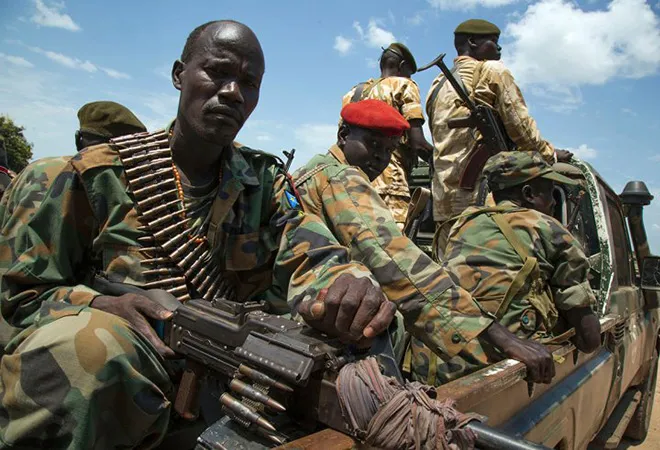
The article explores the recent U.S. genocide declaration against the Rapid Support Forces (RSF) in Sudan and its broader implications. The declaration, made by the Biden administration, accuses the RSF of systematically targeting African communities, particularly the Masalit in Darfur. Reports from the United Nations confirm widespread human rights violations, including war crimes, sexual violence, and mass executions. The violence has forced nearly a million people to flee to neighboring Chad, with as many as 15,000 people killed in West Darfur alone. While the RSF has been singled out for genocide, Sudan’s conflict extends beyond this group, as the Sudan Armed Forces (SAF) have also been responsible for atrocities, including targeting civilians and obstructing humanitarian aid. The war, rooted in a power struggle between RSF leader Hemedti and SAF commander al-Burhan, has led to the displacement of 14 million people, with half the country’s population in urgent need of assistance.

The conflict in Sudan has also taken on a strong regional dimension, with various foreign actors supporting different factions for strategic and economic reasons. The UAE and Russia have been accused of backing Hemedti and the RSF, with evidence of gold smuggling through Dubai and prior RSF involvement in the Yemen war on behalf of the Emirates. The SAF, on the other hand, has received support from Egypt, Saudi Arabia, Iran, Qatar, and Türkiye, with Russia hedging its bets by engaging with both sides to secure access to Port Sudan. Sudan’s strategic position along the Red Sea, its rich agricultural land, and its gold reserves have turned it into a battleground for geopolitical influence, making the war resemble a proxy conflict similar to Yemen’s.

The U.S. genocide declaration adds new pressure to the situation by imposing sanctions on Hemedti and UAE-linked companies that have provided financial and material support to the RSF. While the direct financial impact may be limited, the political fallout is significant. The UAE, which has spent years cultivating an image as a modern, progressive state, now faces reputational damage if it continues to back a group accused of genocide. This has already had consequences, such as U.S. rapper Macklemore canceling his concert in Dubai in protest of the UAE’s role in Sudan. The Emirates’ response to this pressure could shift the balance of the war, as a withdrawal of support for the RSF would weaken Hemedti’s position and possibly open the door to negotiations.

The article highlights the need for a diplomatic resolution, urging regional actors to stop funding the conflict and instead work towards a settlement. Türkiye has offered to mediate, and the UAE has signaled some openness to this, but Ankara’s close ties with the SAF may limit its effectiveness as a neutral broker. Any real solution must involve Sudanese civilian coalitions, as the war has been driven by military factions with little legitimacy among the population. A negotiated agreement that includes civilians could provide a path to stability by avoiding a scenario in which one military side dominates the other. The post-2019 transitional period in Sudan demonstrated that civilian leadership was more effective in attracting international investment and rebuilding the country, reinforcing the argument that Sudan’s future cannot be left solely in the hands of warring generals.

While the genocide declaration changes the political landscape, the conflict remains at risk of becoming further entrenched. Civil wars in Africa often fragment over time, creating new armed factions with competing interests, making resolution increasingly difficult. Sudan’s war is already heavily influenced by external players, meaning that a ceasefire will require significant diplomatic efforts from global powers. The United States, the UK, and Norway, long involved in Sudanese peace efforts, could play a key role in facilitating negotiations. However, it remains uncertain how U.S. policy might evolve under a potential second Trump administration, leaving questions about Washington’s long-term engagement in the region. Given Sudan’s strategic location along a major global trade route, the stakes are high, and resolving the conflict will require concerted international leadership before the country slides further into chaos.

Read more here.
You Might Also Like

Yemen Could Become the First Test of the Turkey–Pakistan–Saudi Defense Pact

Too Useful Against Iran to Disarm? The PJAK Exception

Netanyahu’s Perfect Assist from Abu al-Duhur: How Erdoğan Can Score on Kurdish Peace and National Discontent

Erdoğan Arms Ukraine as Putin Complicates Turkey’s F-35 Comeback

Spitting on the Cross: The Rise of Anti-Christian Hostility in Israel

Share This Article
Facebook Twitter Email Print
Previous Article Rising Tensions: The U.S. and China’s Influence Over the Panama Canal
Next Article Energy Crisis in Moldova: The Strategic Challenge of Transitioning from Russian Gas
Leave a comment

Leave a Reply Cancel reply

Your email address will not be published. Required fields are marked *

Stay Connected

TwitterFollow
YoutubeSubscribe

Latest News

From C5 to C6: Turkey’s Geopolitical Reach Expands Toward China’s Western Frontier
Commentary Economy Energy Eurasia Geopolitics
Turkey, Saudi Arabia and Pakistan Sign Landmark Mutual Defence Pact in Mecca
Eurasia Geopolitics Middle East & Africa
As Israel Becomes a Liability, Turkey Becomes Indispensable: Baniyas Marks the Latest Shift
Commentary Energy Geopolitics Middle East & Africa
Rethinking GCC Security Architecture After the U.S.–Israel–Iran War
Commentary Geopolitics Middle East & Africa

Find Us on Socials

© 2026 Geopolist | Istanbul Center for Geopolitics. All Rights Reserved.
  • Submit an Op-Ed + Risk Advisory & Job Posting
  • Jobs
  • Post Jobs & Ads for Free
Welcome Back!

Sign in to your account

Register Lost your password?